Search for Amelia Earhart
High-profile expedition utilizing advanced sonar and AUV systems to locate historical wreckage.
The Mission
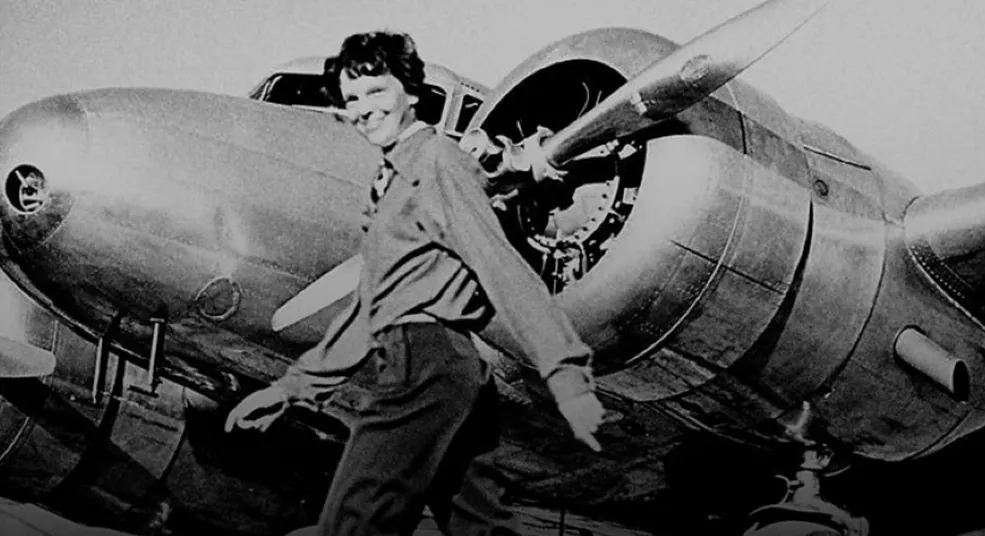
On July 2, 1937, Amelia Earhart and navigator Fred Noonan vanished over the Central Pacific while trying to reach Howland Island on one of the final legs of their round-the-world flight. Their disappearance remains one of the most enduring mysteries in aviation.
Deep Sea Vision, the Charleston, South Carolina marine robotics company founded by Tony Romeo and now a wholly owned subsidiary of Eco Minerals, set out to search the deep seafloor in the waters west of Howland Island.

We plan to bring closure to a great American story.
The Technology
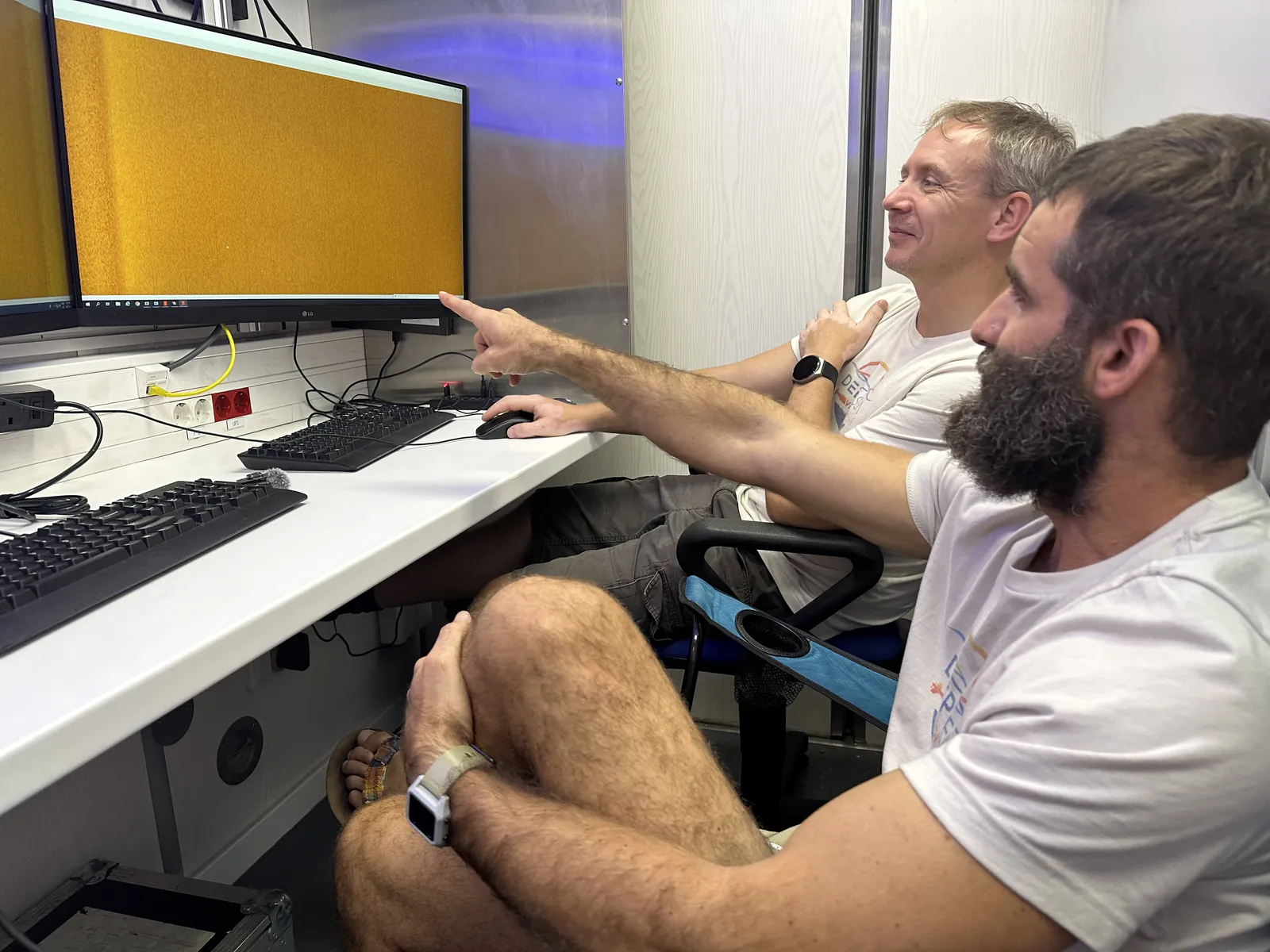
Over roughly 90 days at sea in 2023, an international team from the United States, India, Norway and Scotland used a HUGIN 6000 autonomous underwater vehicle to survey about 5,200 square miles of ocean floor, more than all previous searches combined.
Operations were led by Craig Wallace, a former HUGIN product manager at Kongsberg Maritime. The team modified the vehicle to scan swaths nearly 1,600 meters wide instead of the standard 450 meters. Each sonar dive lasted about 36 hours and returned several terabytes of data.
The Outcome
In January 2024 the team shared a sonar image of a target some 16,000 feet down whose outline and scale resembled Earhart's twin-tailed Lockheed Electra, drawing worldwide attention. A return expedition later that year imaged the target at high resolution and confirmed it was a natural rock formation.
The search continues. Just as important, the expedition proved out the long-endurance, wide-area deep-water survey capability that now supports Eco Minerals' survey services and critical-minerals exploration. It also inspired the small plane tucked into the Eco Minerals logo.